Documenting Neurological Deficits: A Records Checklist for Instructing Solicitors in Personal Injury Claims
Clinical Documentation and the Evidentiary Foundation
In personal injury and clinical negligence litigation involving suspected neurological injury, the quality of expert evidence often relies on the completeness and chronological organisation of the underlying clinical records. For the instructing solicitor, establishing an evidentiary narrative requires a methodical approach to identifying and presenting records that define the claimant’s neurological status before and after the index event. Clinicians rely on a range of primary and secondary documentation to form a diagnosis and prognosis. When instructing a neurology expert witness, solicitors should ensure that all relevant diagnostic data is available. This includes initial A&E triage notes, serial Glasgow Coma Scale (GCS) observations, and early neuro-imaging reports. In cases of traumatic brain injury, the absence of initial GCS scores or ambulance crew notes can affect an expert’s ability to interpret the initial severity of the injury, which may influence the assessment of the claimant’s prognosis.
Records documenting post-traumatic recovery, such as those from speech and language therapy, occupational therapy, and neuropsychology services, provide longitudinal evidence of functional deficits. Where symptoms of Functional Neurological Disorder (FND) are present, contemporaneous records detailing the onset and evolution of these symptoms relative to the index incident help experts differentiate between organic and functional presentations within established diagnostic frameworks.
Procedural Considerations under CPR Part 35
The duty of the instructing solicitor to ensure the expert has all relevant material is central to the operation of the Civil Procedure Rules (CPR). Under CPR 35.3, the expert’s primary duty is to the court, overriding any obligation to the party instructing them. Providing a complete set of medical records at an early stage allows for a robust and impartial opinion. Incomplete disclosure may necessitate supplementary reporting, which can introduce delays to proceedings.
When an expert evaluates whether an alleged breach of duty contributed to the claimant’s outcome, they typically apply the ‘but-for’ test of causation. To do so, they require the full clinical record to identify whether pre-existing comorbidities might have influenced the prognosis, including the application of the ‘eggshell skull’ principle where applicable. Under CPR 35.12, the court may direct experts to meet and discuss their evidence to prepare a joint statement. A failure to provide consistent, comprehensive records to both experts can impede the utility of these discussions. Where the court directs that evidence be given by a single joint expert, solicitors should note that the instruction of such an expert is governed by CPR 35.8.
The Role of Multi-Disciplinary Expertise
Neurological claims frequently involve multiple specialties. A claimant who suffers a cardiac arrest may experience anoxic brain injury, requiring the input of both a cardiologist and a neurologist. Alternatively, a polytrauma claimant may require the combined assessment of an orthopaedic surgeon for spinal injuries and a neurologist for complex nerve damage. When a case spans multiple specialties, the instructing solicitor faces the logistical challenge of ensuring each expert’s opinion is consistent and based on the same set of facts. Providing experts with an identical, comprehensive set of records across specialties helps ensure that clinical opinions regarding complex matters, such as the impact of an event on cerebral perfusion, remain scientifically coherent. The same evidential ground is covered from a different angle in Neurology Experts’s neurology expert witness personal injury guidance.
Practical Checklist for Instructing Solicitors
- Chronological Indexing: Ensure all records are paginated and indexed chronologically.
- Key Documentation: Highlight records relating to critical events, such as a rapid deterioration in consciousness or persistent focal neurological deficits.
- Multi-Disciplinary Records: Ensure that relevant neuropsychiatric or psychological records are disclosed alongside primary neurological data when psychiatric sequelae are alleged.
- Baseline Medical History: Include records pertaining to the claimant’s health prior to the index event, as these are necessary to comment on causation or prognosis.
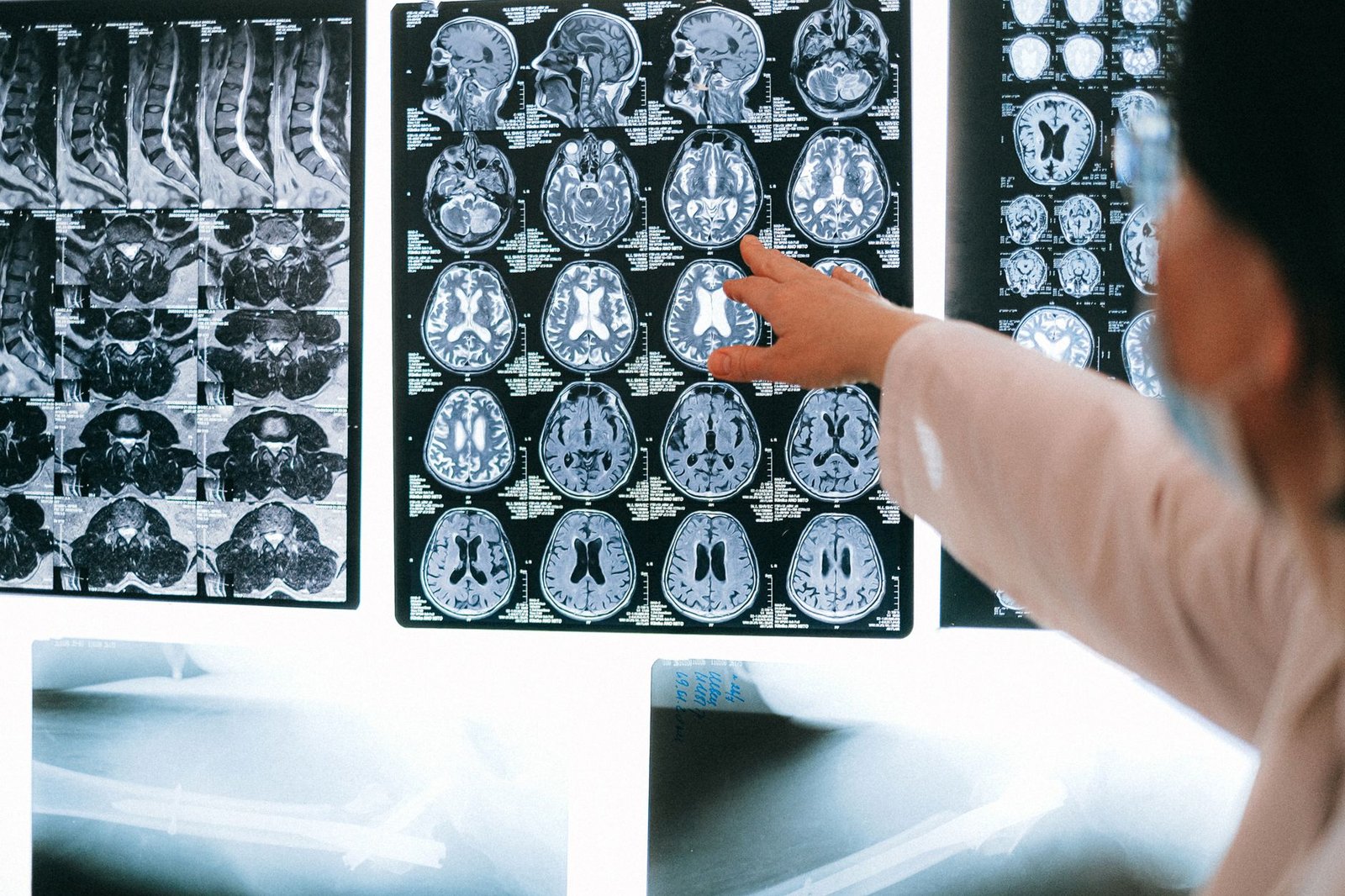
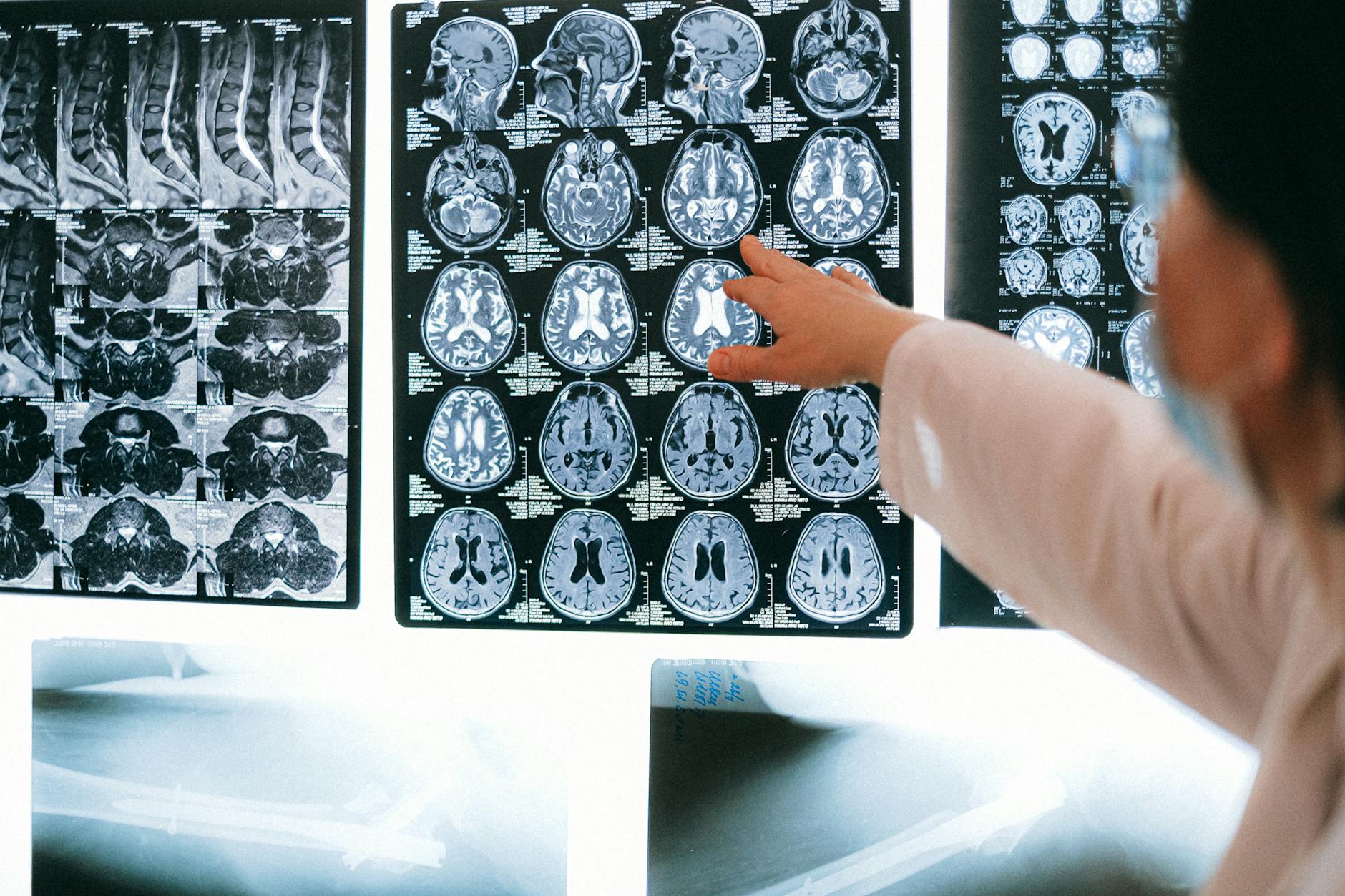
- Imaging Data: Ensure that DICOM files or original scan images are available if the expert’s remit includes interpreting diagnostic images, as radiologist reports may be insufficient.
A well-prepared brief, grounded in thorough record-gathering, allows the medical expert to focus their analysis on the clinical and causal issues central to the claim. By managing the disclosure process with clinical precision, the solicitor enhances the utility of the expert’s opinion, supporting the efficient progression of the litigation toward settlement or trial.
This article is for general informational purposes only and does not constitute legal or medical advice. Readers should seek appropriate professional guidance.